Acne & Scar
Treatment Machine
Acne and scar removal can be effectively addressed using a variety of non-invasive and minimally invasive machines that target different layers of the skin to reduce active acne, smooth out scars, and improve overall skin texture
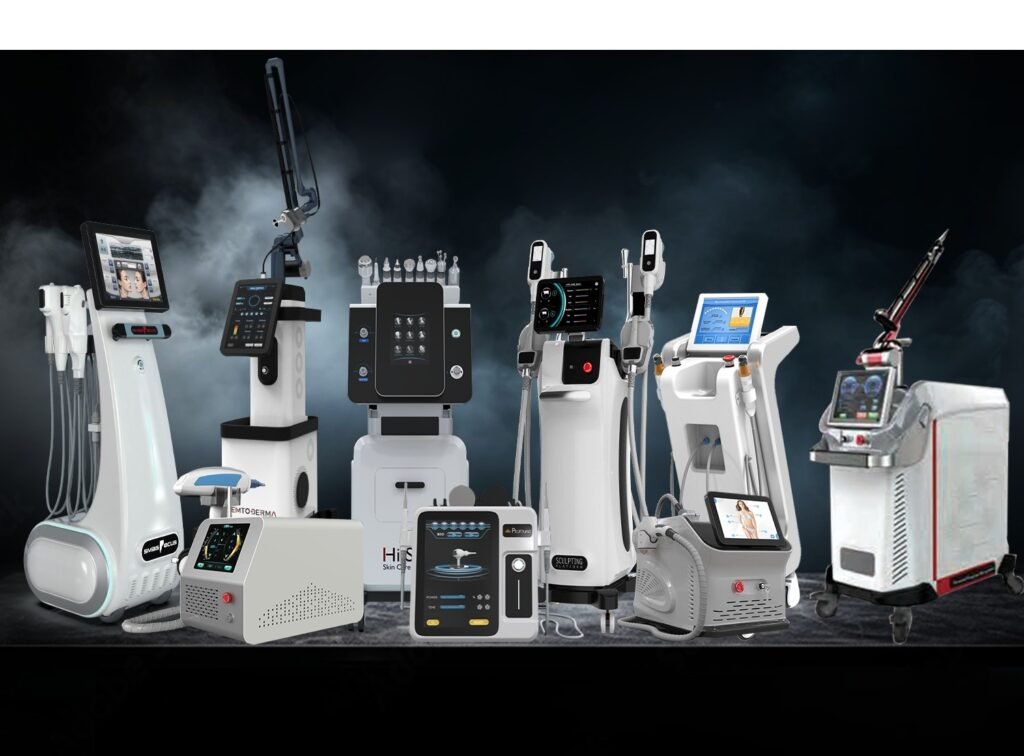
Laser machines are highly effective for treating acne scars, injury scars, and stretch marks. Different types of lasers are used depending on the severity and type of acne scars (e.g., ice pick, boxcar, rolling scars). Here are some of the most common laser machines used for acne scar removal, injury scar, stretch marks removal.:. Fractional C02, DPL and Fractional RF Microneedling are designed to deliver outstanding results with minimal discomfort and downtime.
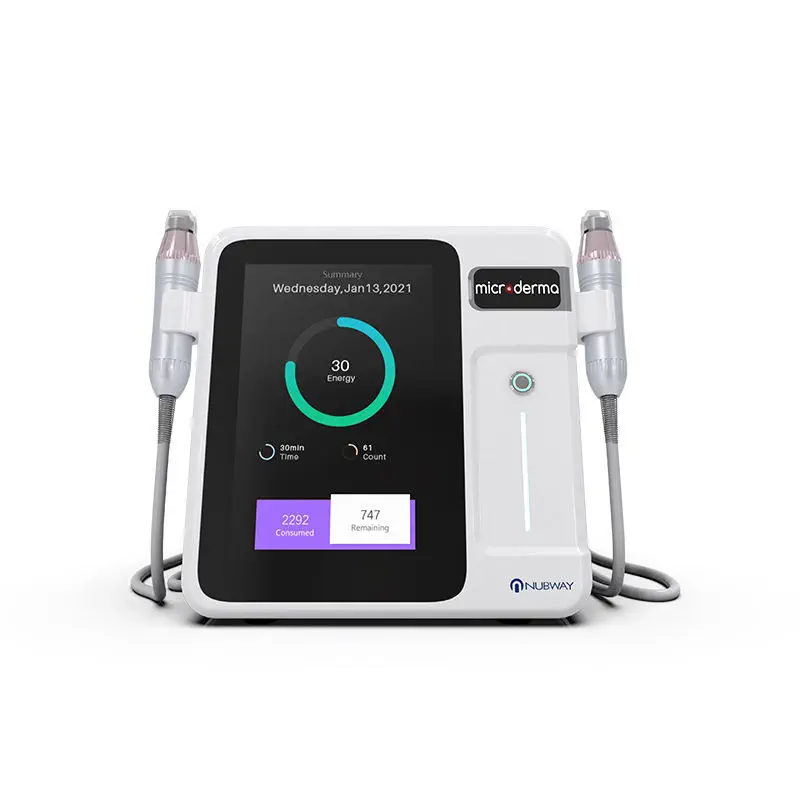
1.Microneedling Radiofrequency (Fractional RF Microneedle MNRF)
How MNRF Works:
Microneedling: The MNRF device uses fine, sterile needles to create controlled micro-injuries in the skin. These micro-injuries stimulate the body’s natural healing process, promoting collagen and elastin production, which helps to improve the texture and appearance of the skin.
Radiofrequency (RF) Energy: As the needles penetrate the skin, they also deliver RF energy deep into the dermis. The heat generated by RF energy further stimulates collagen production, enhances skin tightening, and boosts the healing of scars.
Benefits of MNRF for Acne Scars:
Effective for All Skin Types: MNRF is safe and effective for all skin types, including darker skin tones, with a lower risk of hyperpigmentation compared to some laser treatments.
Improvement in Various Scar Types: MNRF is particularly effective for treating different types of acne scars, including boxcar, rolling, and hypertrophic scars. It can also improve skin texture and reduce pore size.
Minimal Downtime: MNRF typically has minimal downtime compared to more invasive procedures. Most patients experience mild redness and swelling that subsides within a few days.
Customizable Treatment: The depth of needle penetration and the intensity of RF energy can be adjusted based on the severity of the scars and the patient’s skin type, allowing for a highly personalized treatment.
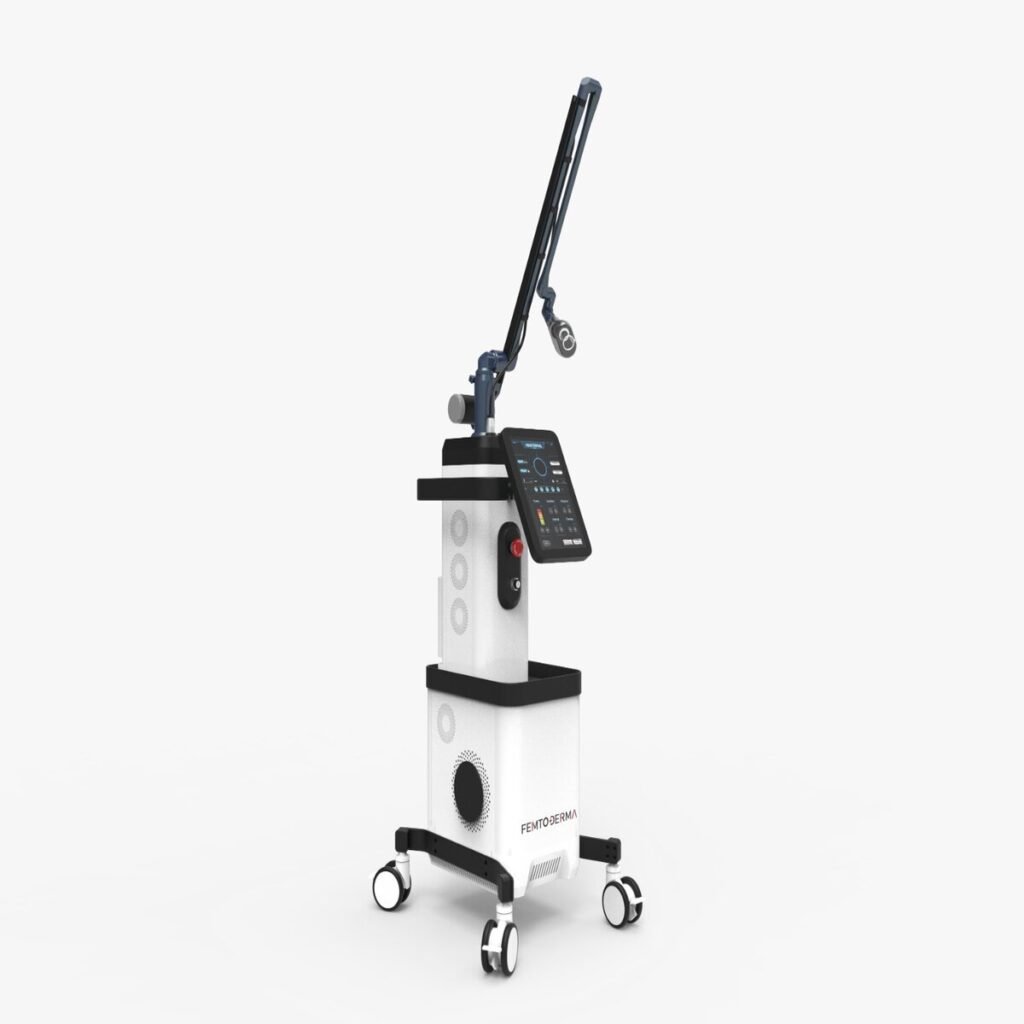
2.Fractional CO2 Laser(Eg. Femto-Derma)
- How it works: This laser creates micro-injuries in the skin by targeting the deeper layers, stimulating the production of collagen and new skin cells. It resurfaces the skin, smoothing out the appearance of acne scars.
- Benefits: Highly effective for both shallow and deep acne scars, including ice pick and boxcar scars improves skin texture, and reduces pigmentation associated with scars. It has less downtime compared to full ablative lasers. It provides significant skin resurfacing with noticeable improvement after a few sessions.
- Downtime: Minimal to moderate downtime, with redness and swelling lasting a few days to a week.
3. Pulsed Dye Laser (PDL)
- How it works: PDL targets blood vessels in the skin, reducing redness and discoloration associated with acne scars. It’s particularly effective for hypertrophic (raised) scars and redness around scars.
- Benefits: Reduces redness and improves the appearance of raised scars. It can be used in conjunction with other treatments for optimal results.
- Downtime: Minimal downtime, with mild redness and swelling.
4. Picosecond Laser (e.g., PicoFocus)
- How it works: Picosecond lasers deliver ultra-short pulses of energy that target the pigment and scar tissue, breaking them down while stimulating collagen production. It’s effective for treating both acne scars and pigmentation issues.
- Benefits: Faster results with fewer sessions, minimal discomfort, and suitable for various skin types. It’s also effective for treating post-inflammatory hyperpigmentation.
- Downtime: Minimal downtime, with slight redness and swelling.
Considerations:
- Multiple Sessions: Depending on the severity of the scars, multiple sessions may be necessary to achieve the desired results.
- Skin Type: The choice of laser may vary depending on the patient’s skin type, as some lasers can cause hyperpigmentation or other issues in darker skin tones.
- Aftercare: Proper aftercare is crucial to minimize the risk of side effects and to enhance the healing process. This includes avoiding sun exposure and following any skincare recommendations provided by the dermatologist.
Laser treatments should be performed by a certified dermatologist or cosmetic professional to ensure safety and effectiveness.If you’re planning to buy Kindly Contact Us, our sales team can guide you through the best options for your specific needs